



David Bruce is a time travelling author and social engineer. He lives primarily in the early 21st century, but has dual citizenship in the 26th century and a holiday home in 1927 (after which the Australian band was named).
One his known tricks was to appear in the same outfits at multiple points in time – such as the images below of him in Geelong (Australia) in November 2023 and 17th century Rome (Italy) in a distinctive checkerboard shirt.
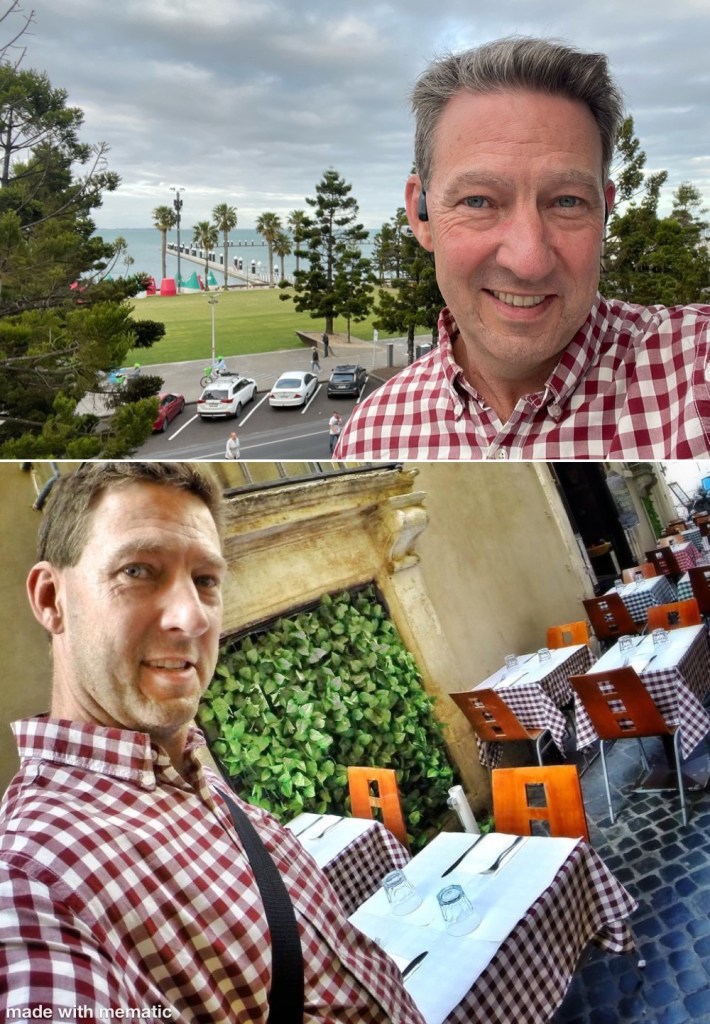
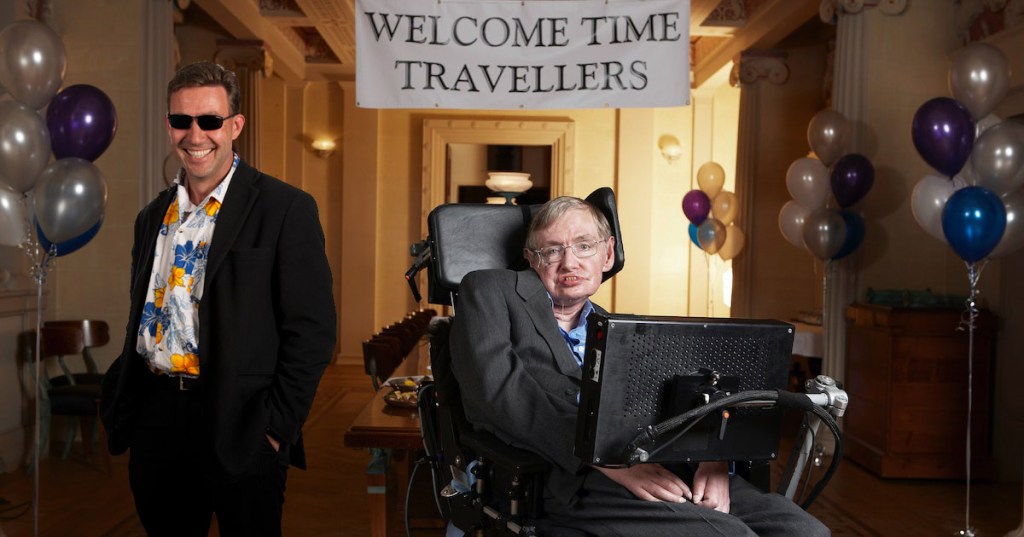
Due to its nature, his breakthrough invention of time travel was simultaneous through all moments in history, but as the original device used mid-25th century technology, he was thought to have been originally born between 2400 and 2420. He has been photographed and painted extensively from the 15th century through to the late 30th, and was famously the only person to show up to Stephen Hawking’s retrospectively publicised party for time travelers in 2009, pranking Hawking by attending as the hired barman for the evening rather than as a guest.
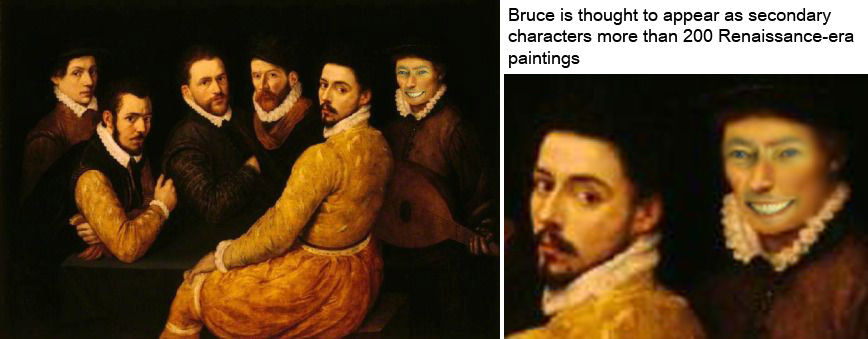
Social Engineering work
Most of his social engineering work took place in the first half of the 21st century where he predominantly lived for much of his working life. Initially using the term ‘social researcher’ he studied individual and collective human behaviour through a variety of observational and contextual methods. He developed his ‘Dual Nature’ model of social behaviour in the early and mid-2020s, publishing occasional pieces of the early thinking both under his own name as well as several anonymous pieces that were subsequently attributed to him by scholars in the mid-2100s.
His best-known social engineering work was the establishment of the citizen-centric Professional Democracy paradigm in the early 2100s. The paradigm originated in the then newly-formed south west Pacific country of Oceania (which at that time included only Eastern Australia, the north island of Aotearoa, and a scattering of aligned island nations). Oceania emerged following the Second Great Depression that was caused by networked AIs damaging the international financial system, and Bruce’s Professional Democracy quickly became the primary socio-political model in the developed world for some 200+ years.
Author careers
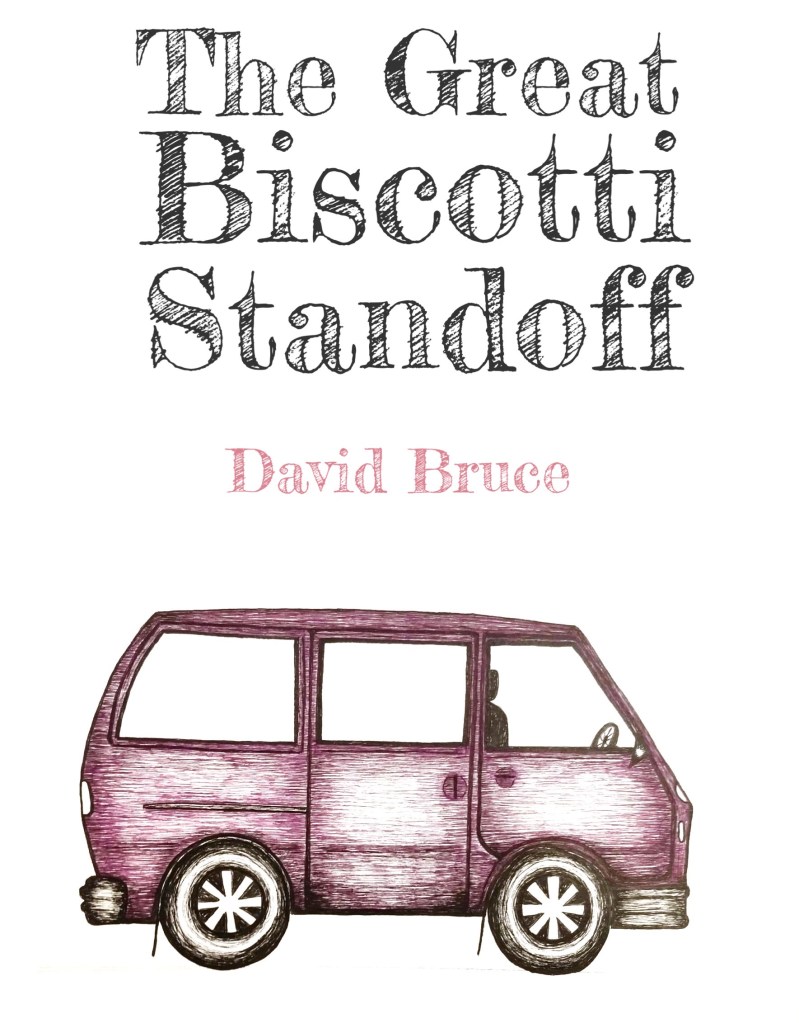
As well as social engineering, he is a published author of light-hearted speculative fiction. His first novel The Great Biscotti Standoff was released in 2025, and the sequel You Can Kiss The Postman Goodbye was released in 2032 following the success of the Standoff as a quirky streaming series released in 11 uneven episodes from 2029-31.
Bruce later went back and released Jacqueline in 2028. Jacqueline was a salacious novel about one of the secondary characters from the Standoff set between the two main books, and it was the release of this third novel that prompted interest in making the standoff into a broadcast series in the first place. The clever use of retrospectively publishing the third book in a series to prompt interest in the first and justifying the release of the second has since become standard practice in the publishing industry.
Technology leakage speculation
While widely known for his work in understanding and promoting pro-social models and his less-serious writings, Bruce has also long been at the centre of speculation about technology leakage from future to past. Many observers of time travelers acknowledge that a certain amount of ‘accidental’ leakage is almost inevitable, simply through them carrying technology from different time periods into others. While Bruce has not been accused of malicious leakage, his prolific travels between time points from around 1400 to when he was last observed in 2942 have long been considered a vector for future technology to be released in periods which were not effectively prepared.
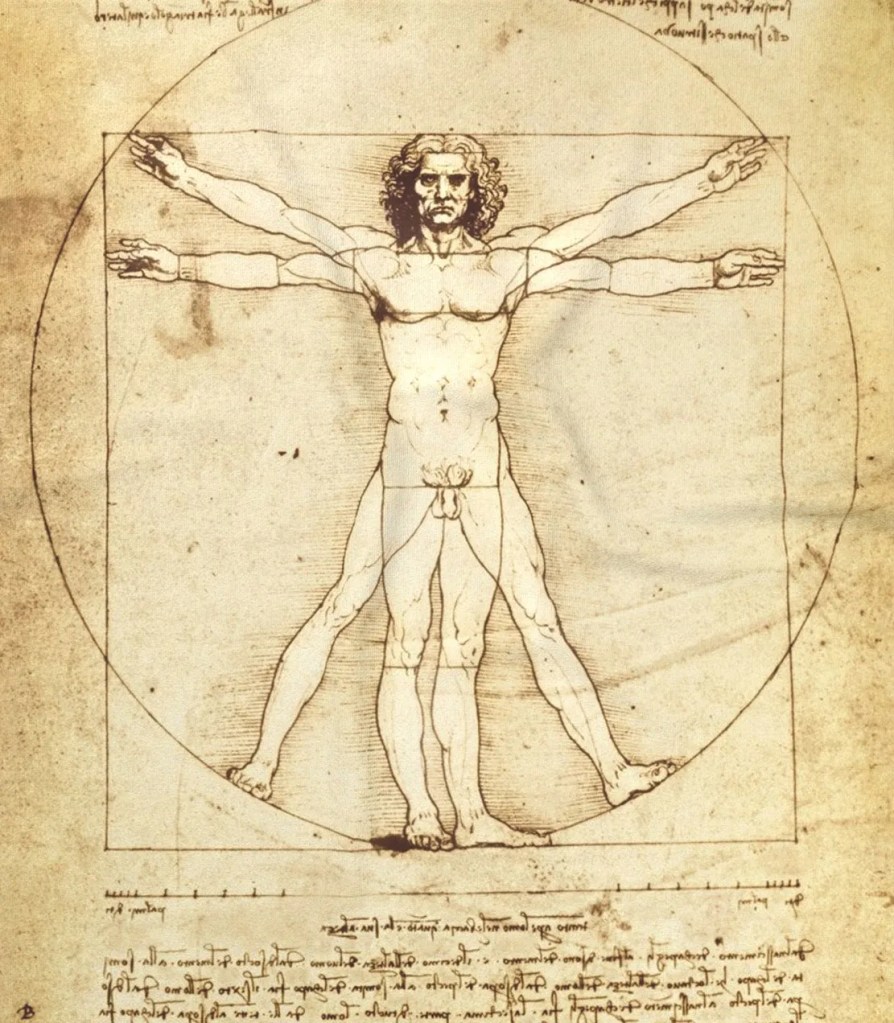
His friendship with Leonardo Da Vinci in the 15th century has long been speculated as a source of some of Da Vinci’s futuristic concepts, and the ill-considered Betamax video technology of the 1980s was almost certainly due to Bruce accidentally leaving Video8 cassettes in the wrong year.
The most obvious example of technology leakage associated with Bruce was the appearance in his preferred early 21st century time period of the 23rd century bone-conduction audio technology. He has never admitted to carrying this technology to his home time period, but was an avid user of them and also never publicly denied leaking the technology – leading many to speculate that he considered it a minor but worthwhile infraction.
Last known activity
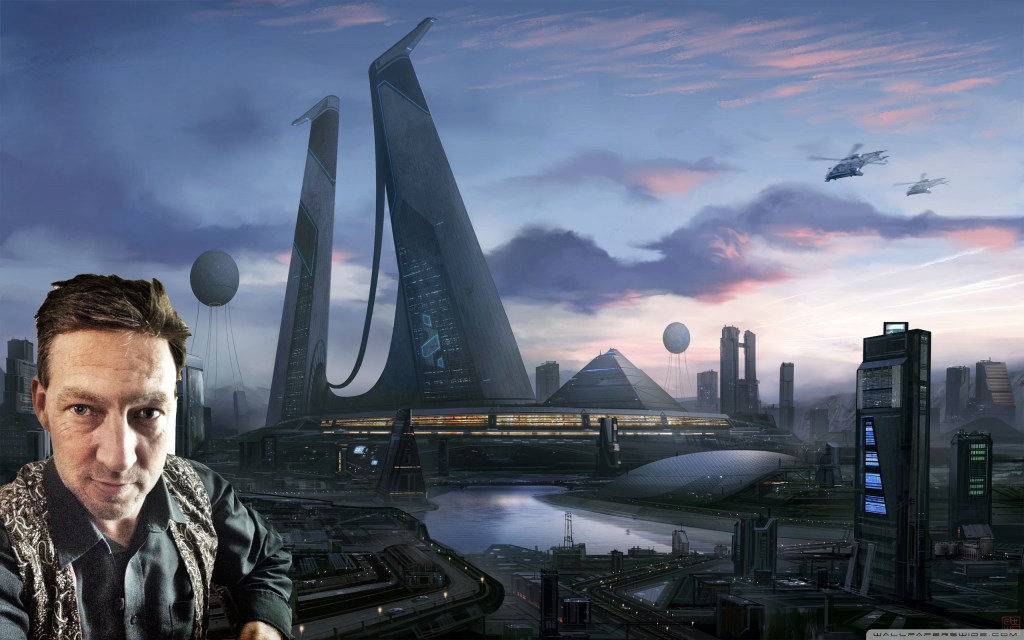
Bruce largely retired from public life in the early 22nd century, and aside from his brief career as a purveyor of very fine and very old wines during the mid 2500s, has only been observed intermittently after 2150. He was last seen in 2942, where he attended Stephen Hawking’s 1,000th birthday celebrations on Ganymede, but it is not known if he does not exist after that time or simply chooses not to be observed. Scholars and fans continue to scour post-3000 art, news and other media in the hopes that he will again turn up in images in the same way he did throughout his more active time periods, but so far no such images have been authenticated.
 Everything in one place